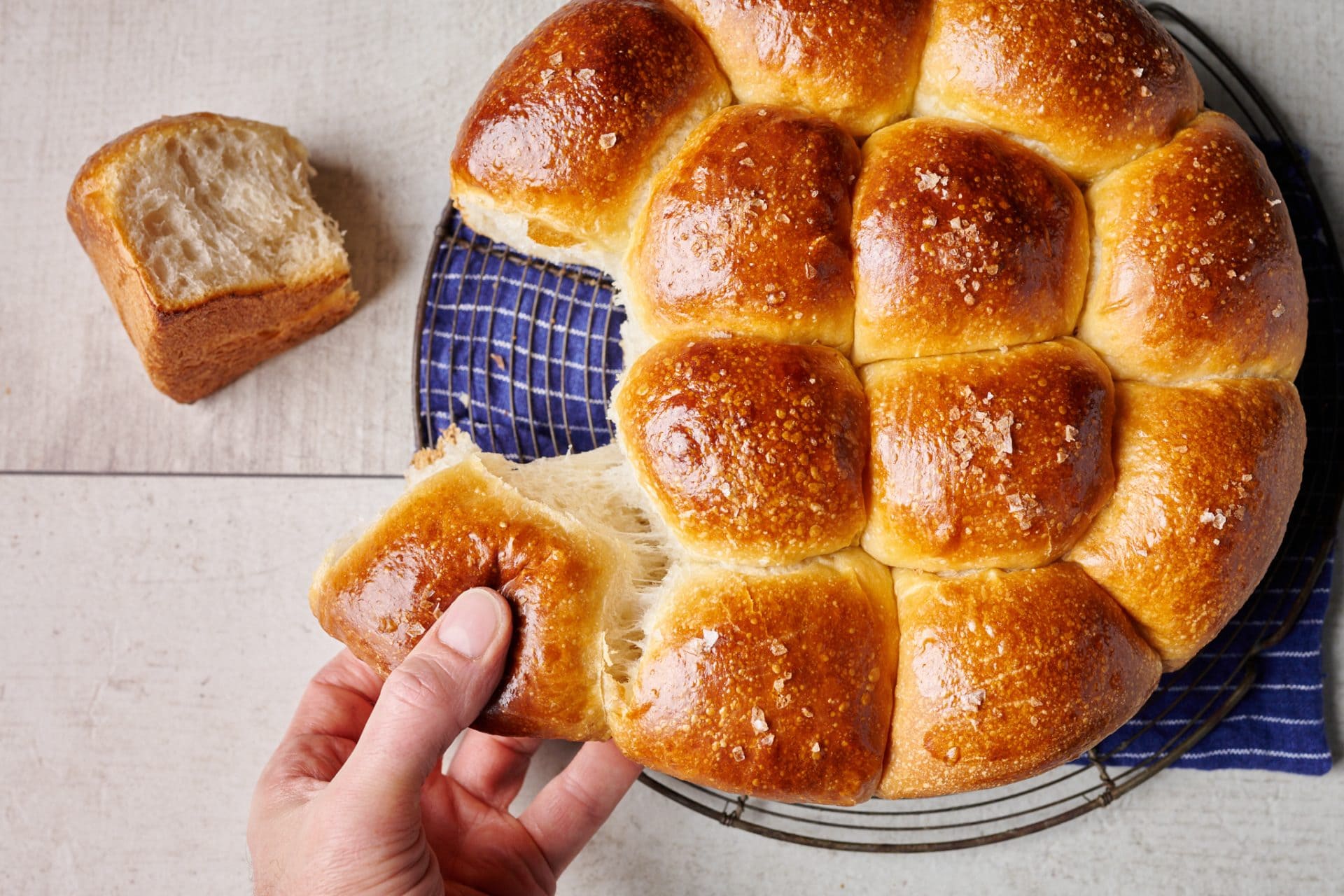
Making soft homemade bread rolls is a wonderful skill that brings a special kind of magic into your kitchen every single time you bake. This recipe is all about creating the most pillowy and tender buns you have ever tasted using very basic things you likely already have in your pantry. Many people feel scared when they think about working with yeast because they worry the bread will turn out hard or the dough will not rise at all. However this guide is designed to take away all those fears by showing you how simple and rewarding the process can be when you follow a few easy steps. These rolls are famous for their golden tops and their incredibly light texture that feels just like a cloud when you take a bite. Once you master this method you will never want to buy prepackaged rolls from the grocery store again because the difference in quality is truly massive. There is something deeply satisfying about watching a few simple ingredients transform into a beautiful tray of fresh rolls that smell better than any perfume.
People absolutely love these soft rolls because they provide a sense of comfort that is very hard to find in other types of food. The texture is the main reason why everyone reaches for them at the dinner table since they have a delicate crumb that melts in your mouth instantly. Unlike sourdough or crusty baguettes these rolls are designed to be sweet and buttery which makes them a favorite for both children and adults alike. They represent the ultimate comfort food because they remind us of home and warmth and the feeling of being taken care of by someone we love. Another reason for their popularity is their versatility because they can be used for so many different meals throughout the week without ever getting boring. You can eat them plain or spread a thick layer of honey butter on top while they are still steaming hot from the oven. Their soft nature makes them perfect for soaking up gravy or soups which adds an extra layer of enjoyment to your evening meal.
There are so many emotional and practical reasons to make these rolls and one of the best reasons is the pure joy of the baking process itself. When you are feeling stressed or tired spending some time kneading dough can be a very grounding and peaceful activity that helps you clear your mind. The smell of bread baking in the oven has been proven to make people feel happier and more relaxed in their living space which is a great bonus. From a fitness or health perspective making your own bread allows you to control exactly what goes into your body without any strange chemicals or preservatives. Most store bought breads contain stabilizers and high amounts of corn syrup that you simply do not need in a healthy diet. By choosing high quality flour and fresh butter you are giving your family a much cleaner version of a classic staple. Whether you are celebrating a big holiday or just want to make a Tuesday night feel special these rolls are the perfect way to show love through food.
Taste is the final reason why this recipe deserves a permanent spot in your kitchen notebook because it is truly superior to anything else. The subtle sweetness of the sugar combined with the richness of the whole milk creates a flavor profile that is balanced and sophisticated yet simple. You can taste the freshness of the yeast and the quality of the grains in every single bite which is something that factory made bread often lacks entirely. These rolls are also fantastic because they stay soft for several days if you store them correctly which means you can enjoy them for breakfast the next morning. Imagine waking up to a roll toasted with a little bit of jam or using one to make a small breakfast sandwich with eggs and cheese. The crust is never tough or chewy but rather thin and slightly shiny thanks to a quick wash of butter or egg before baking. Every time you pull a tray of these out of the oven you will feel a huge sense of pride knowing you created something so professional and delicious from scratch.
Ingredients You Will Need
To make about twelve large soft rolls you will need to gather these specific items from your kitchen or local store:
-
Four cups of all purpose flour or bread flour
-
One cup of warm whole milk at about one hundred degrees
-
One fourth cup of granulated white sugar
-
Two and one fourth teaspoons of active dry yeast or one standard packet
-
One teaspoon of fine sea salt
-
One large egg at room temperature
-
Four tablespoons of unsalted butter that has been melted and cooled
-
Two extra tablespoons of melted butter for brushing on top at the end
-
One tablespoon of vegetable oil to grease your rising bowl
Step by Step Method
The first thing you need to do is activate your yeast to make sure it is alive and ready to work for you. Take your warm milk and pour it into a large mixing bowl then add the sugar and the yeast to the liquid. Stir it gently with a spoon and let it sit for about ten minutes until you see a thick layer of foam forming on the surface. If you do not see bubbles after ten minutes it means your yeast might be old or your milk was too hot so you should start over to ensure success. Once the yeast is foamy you can add the melted butter and the room temperature egg into the bowl and whisk them together until the mixture is smooth.
Now it is time to add your dry ingredients by slowly pouring in the flour and the salt while you stir with a wooden spoon. Keep mixing until a shaggy dough starts to form and pulls away from the sides of your large bowl. Turn the dough out onto a clean surface that has been lightly dusted with a little bit of extra flour so it does not stick. Use your hands to knead the dough for about eight to ten minutes by pushing it away from you and then folding it back over itself. You want the dough to become very smooth and stretchy so that it bounces back when you poke it with your finger. If the dough feels way too sticky you can add a tiny bit more flour but be careful not to add too much or your rolls will be heavy.
Place your smooth dough ball into a greased bowl and cover it with a clean kitchen towel or some plastic wrap. Put the bowl in a warm spot in your house where there are no cold drafts and let it rise for about ninety minutes or until it has doubled in size. While the dough is rising you can prepare a baking pan by lining it with parchment paper or greasing it with a bit of butter. Once the dough has grown large you should gently press your fist into the center to let the air out which is called punching down the dough. Divide the dough into twelve equal pieces using a knife or a bench scraper so that every roll is roughly the same size for even baking.
Shape each piece into a smooth ball by tucking the edges under and rolling it between your palm and the counter. Place the balls in your prepared baking pan in rows leaving just a little bit of space between them so they can grow together. Cover the pan again and let the rolls rise for a second time for about forty five minutes until they look puffy and fat. Heat your oven to three hundred and fifty degrees while you wait for the final rise to finish. Bake the rolls for about twenty to twenty five minutes until the tops are a beautiful golden brown color. As soon as you take them out of the hot oven brush the tops with the extra melted butter to keep the crust soft and give them a shiny look.
Why This Recipe Is Special
This recipe is special because it focuses on the science of softness by using ingredients that tenderize the dough like milk and eggs. Many bread recipes only use water and flour which results in a very crusty and chewy loaf that is better for dipping in oil. By adding fats like butter and egg yolks we are creating a rich environment that prevents the gluten from getting too tough or rubbery. This makes the rolls perfect for people who have sensitive teeth or for children who usually do not like hard bread crusts. Another health benefit of making these at home is that you can use organic flour or even add a little bit of whole wheat flour to increase the fiber content. You are in total control of the sugar levels too so you can make them less sweet if you prefer a more savory roll for dinner. The taste is also much more complex because the long rising times allow the yeast to develop deep flavors that you just cannot get from a fast commercial process. It is a slow food experience that honors the tradition of baking while being simple enough for a modern busy lifestyle.
Extra Tips for Better Taste
If you want to take your rolls to the next level you can try adding some fresh herbs like rosemary or thyme directly into the dough while you are kneading. This adds a wonderful aroma that fills the whole house and pairs perfectly with roasted meats or hearty winter stews. You can also sprinkle some coarse sea salt or sesame seeds on top of the rolls right after you brush them with butter for a nice bit of crunch. For a sweet twist you could add a teaspoon of cinnamon to the flour and serve the rolls with honey or maple syrup during brunch. Another great tip is to use honey instead of white sugar in the dough which creates a slightly different type of moisture and a floral scent. If you find that your kitchen is very cold you can turn your oven on for just one minute and then turn it off before putting your dough inside to rise. This creates a cozy proofing box that helps the yeast work much faster and more consistently. Always make sure your egg and milk are not cold from the fridge because cold ingredients can slow down the yeast and make the rising process take much longer than expected.
Final Thoughts
Baking your own soft rolls is a journey that starts with a few simple items and ends with a table full of happy people. There is no better feeling than sharing something you made with your own two hands and seeing the smiles on the faces of your friends and family. Even if your first batch does not look perfect they will still taste amazing and you will learn something new every time you bake. Practice makes perfect and soon you will be able to feel when the dough is just right without even thinking about it. Enjoy the process of creating something beautiful and let the warm smell of bread bring peace to your home today.
Nutrition Details
The following table provides an estimate of the nutrients found in one single homemade bread roll based on the ingredients listed above. These numbers can change based on the specific brands of flour or butter you choose to use in your kitchen.
| Nutrient Type | Amount Per Serving |
| Calories | 195 |
| Total Fat | 6 grams |
| Saturated Fat | 3 grams |
| Cholesterol | 25 milligrams |
| Sodium | 210 milligrams |
| Total Carbohydrates | 28 grams |
| Dietary Fiber | 1 gram |
| Sugars | 4 grams |
| Protein | 5 grams |
| Calcium | 40 milligrams |
| Iron | 2 milligrams |
Most of the calories in these rolls come from the flour and the butter which provide the energy and the satisfying texture. One roll is a perfect portion size to accompany a healthy meal of protein and vegetables. If you are watching your fat intake you can slightly reduce the butter but the rolls might not stay soft for as long.
Disclaimer
Please remember that every person has a different body and different health needs so the results of eating certain foods can vary from one person to another. The nutritional information provided here is only an estimate and should not be taken as professional medical advice. If you have allergies to gluten or dairy you should seek out alternative recipes that fit your specific dietary requirements. Always listen to your own body and consult with a doctor or a nutritionist if you have concerns about how certain ingredients might affect your health or your fitness goals.